Optimal Water Treatment Scheduling
Water treatments are essential for maintaining water quality and ensuring safety in various applications. The timing of these treatments can significantly impact their effectiveness and longevity. Proper scheduling considers seasonal changes, water usage patterns, and specific water quality issues.
Spring is an ideal time for water treatments as outdoor water sources begin to thaw and usage increases. Addressing issues early can prevent problems during peak usage months.
Summer often sees higher water demand and potential contamination risks. Performing treatments before peak season helps maintain water quality and system efficiency.
Fall treatments prepare water systems for winter by removing buildup and preventing freezing issues. It is also a good time to check for leaks and system integrity.
Winter treatments focus on preventing pipe freezing and addressing any residual issues from previous seasons. Treatments are often less frequent but crucial for system protection.
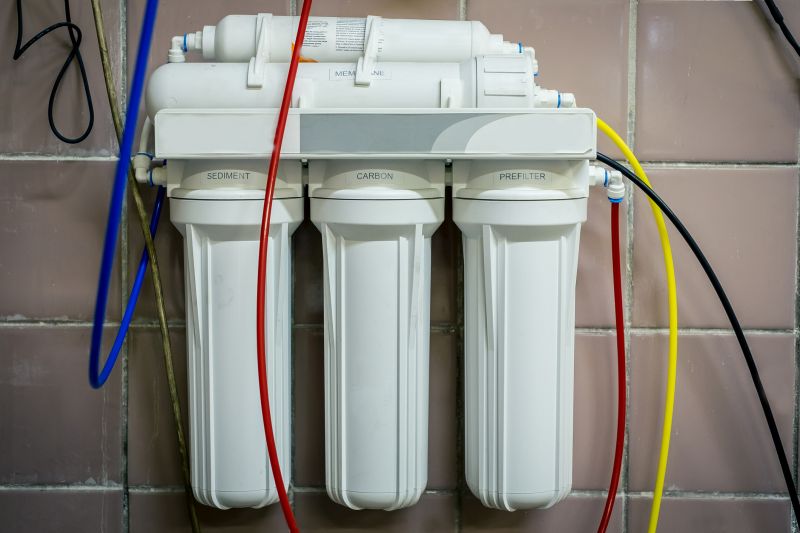
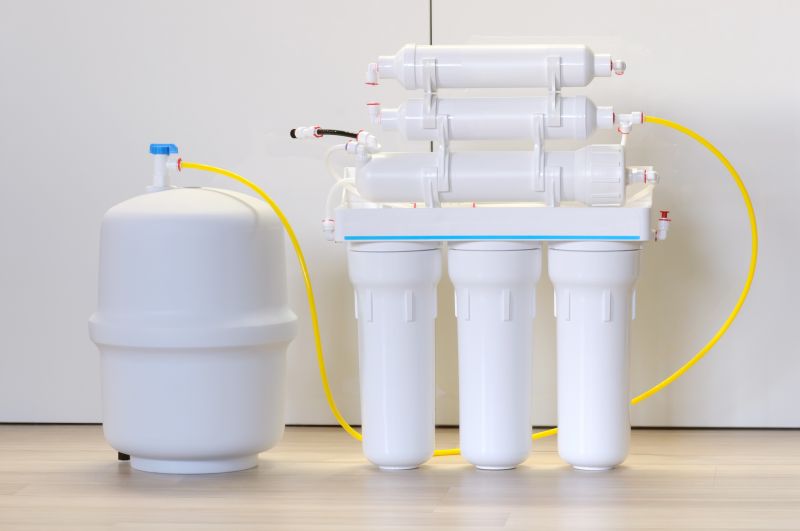
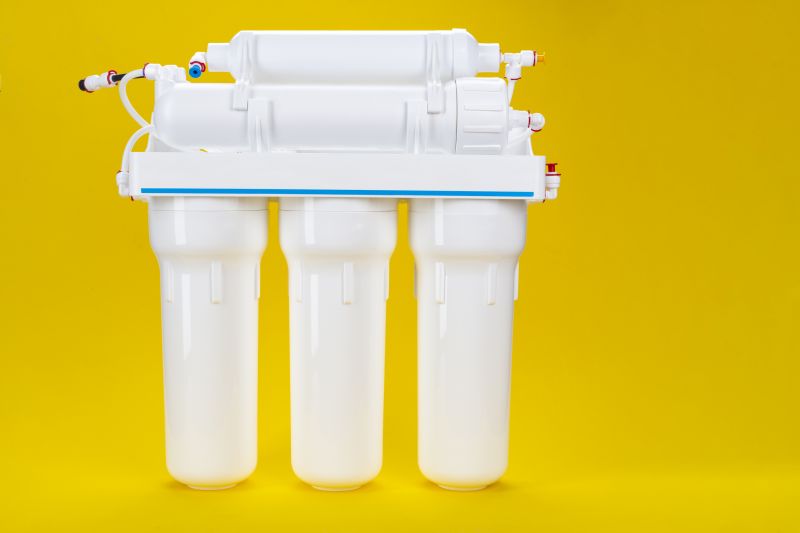
Advanced filtration systems used during scheduled treatments.
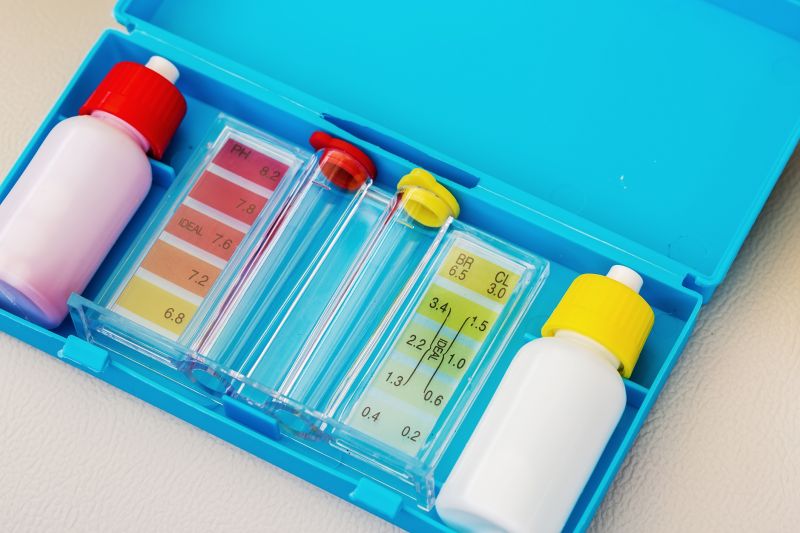
Tools for assessing water quality before treatment.
Step-by-step procedures for effective water treatment.
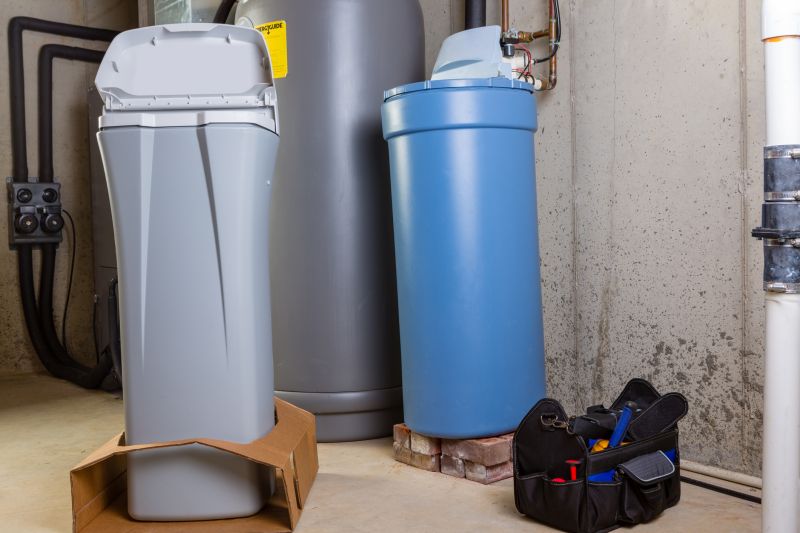
Ways to make Water Treatments work in tight or awkward layouts.
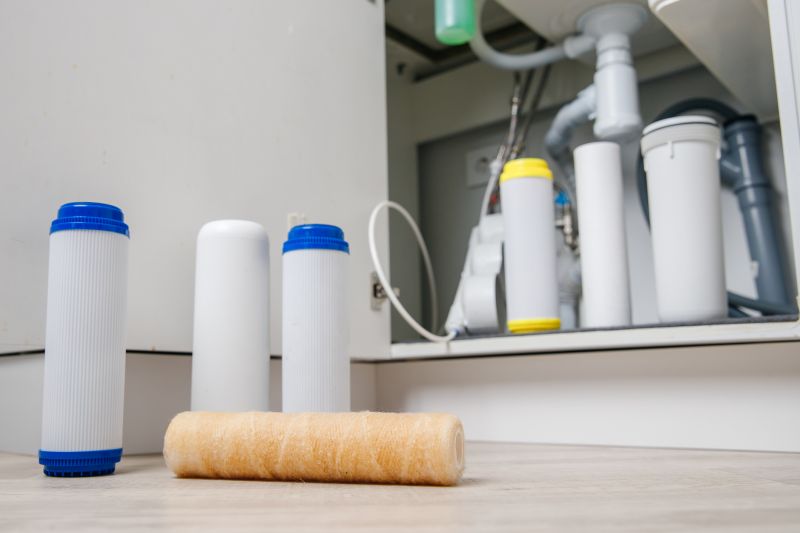
Popular materials for Water Treatments and why they hold up over time.
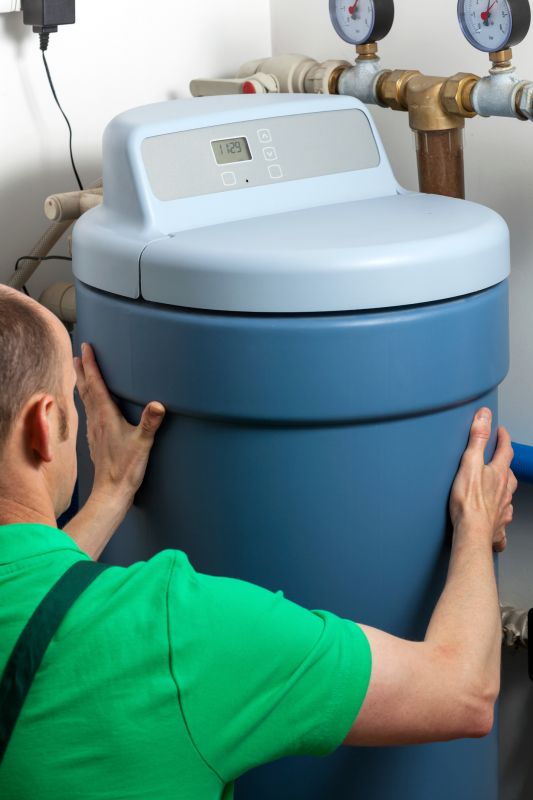
Simple add-ons that improve Water Treatments without blowing the budget.
| Season | Recommended Treatment Activities |
|---|---|
| Spring | Inspect and clean filtration systems, test water quality, perform chemical adjustments. |
| Summer | Increase treatment frequency, monitor for contamination, maintain equipment. |
| Fall | Remove buildup, check for leaks, prepare systems for winter. |
| Winter | Prevent freezing, perform residual treatments, inspect for damage. |
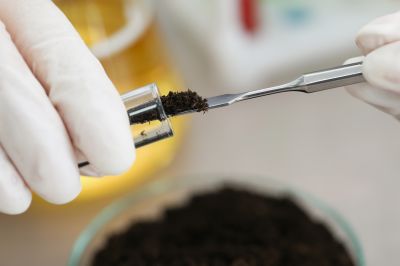
Laboratory analysis of water samples.
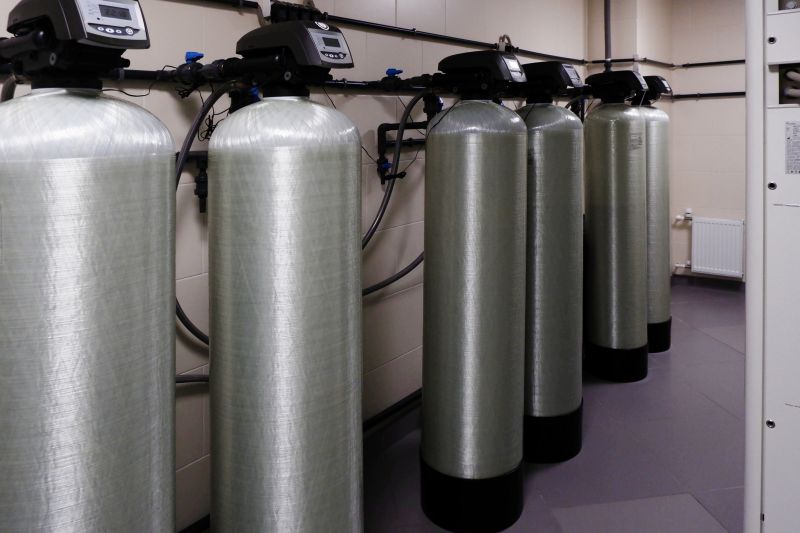
High-capacity water filters in action.

Adding chemicals for water purification.
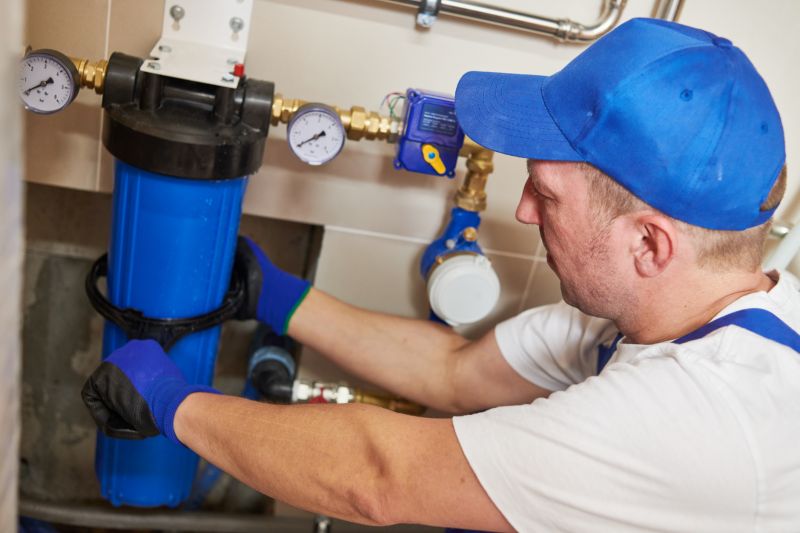
Ensuring proper water flow during treatments.
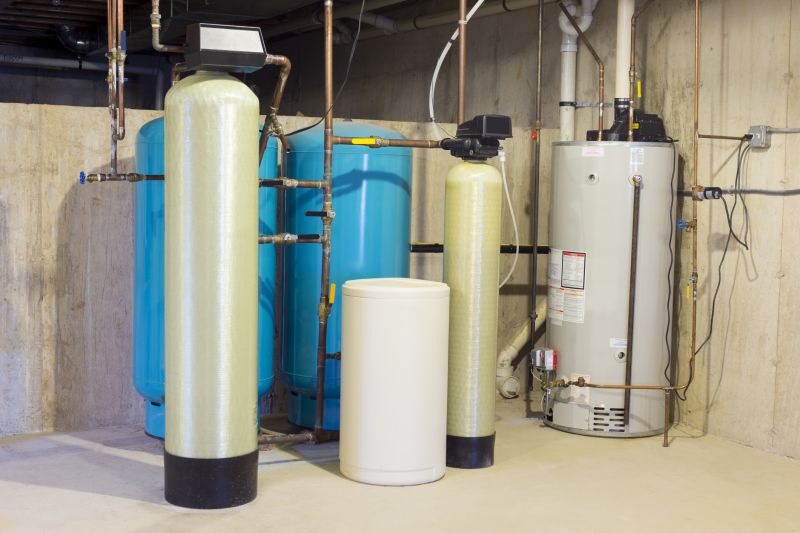
High-end options that actually feel worth it for Water Treatments.
Finishes and colors that play nicely with Water Treatments.
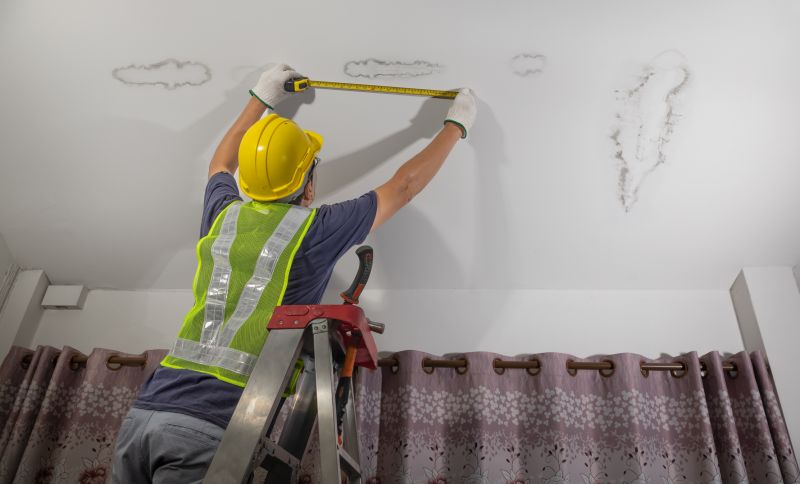
Little measurements that prevent headaches on Water Treatments day.
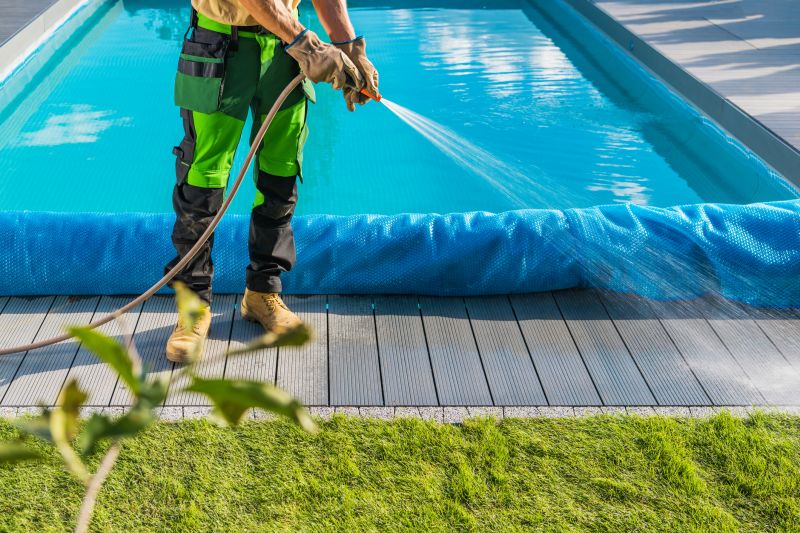
A 60-second routine that keeps Water Treatments looking new.
Regular water treatments are vital for maintaining water clarity, safety, and system efficiency. They help prevent buildup of minerals, biological contaminants, and other impurities that can compromise water quality. Proper timing and frequency of treatments depend on water source characteristics and usage patterns. Implementing a scheduled treatment plan can reduce long-term maintenance costs and improve water system performance.
Statistics indicate that untreated or poorly maintained water systems can experience significant issues, including bacterial growth, mineral deposits, and equipment failure. Regular treatment and testing can extend the lifespan of water systems and ensure compliance with health standards. Consulting with water treatment professionals can help determine the optimal schedule based on specific needs and conditions.
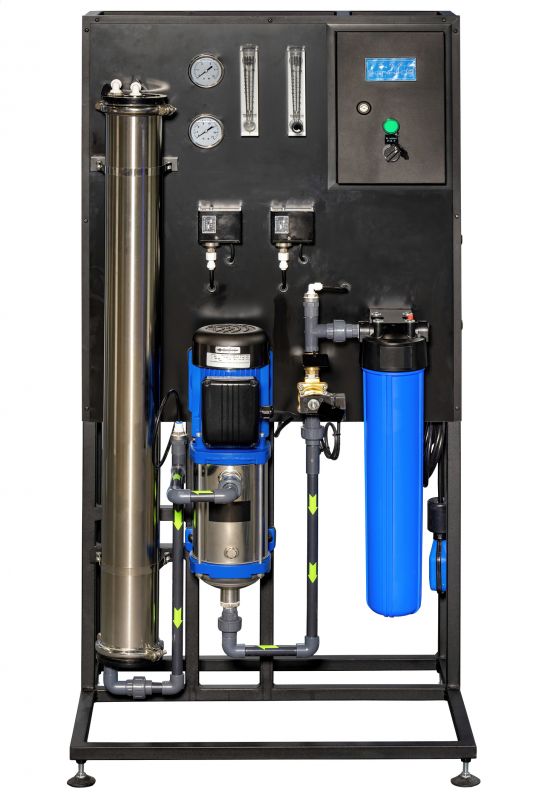
Continuous monitoring for optimal water conditions.
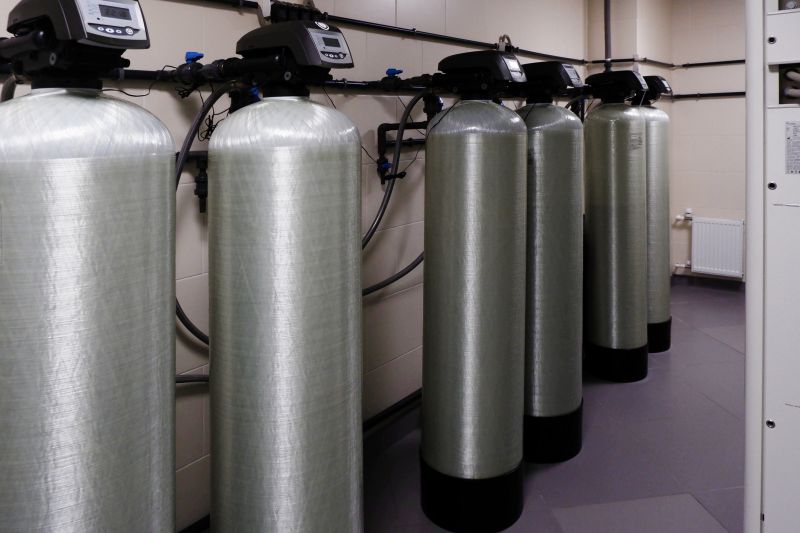
Precise dosing of treatment chemicals.
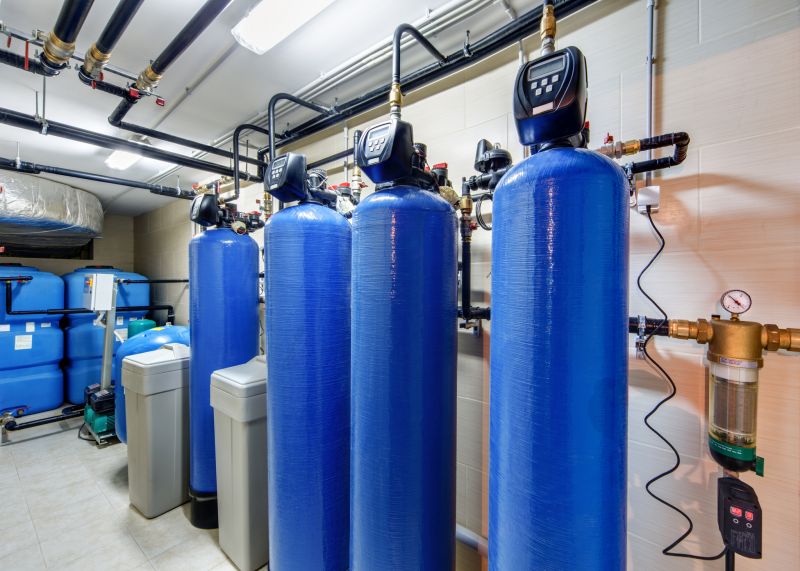
Routine checks to ensure system integrity.
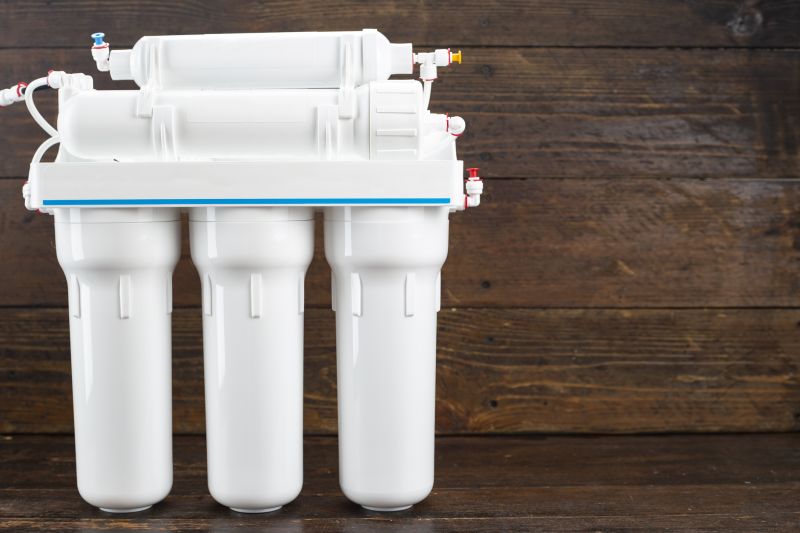
A frequent mistake in Water Treatments and how to dodge it.
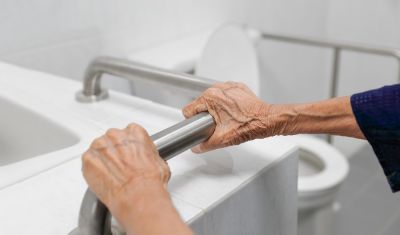
Small tweaks to make Water Treatments safer and easier to use.
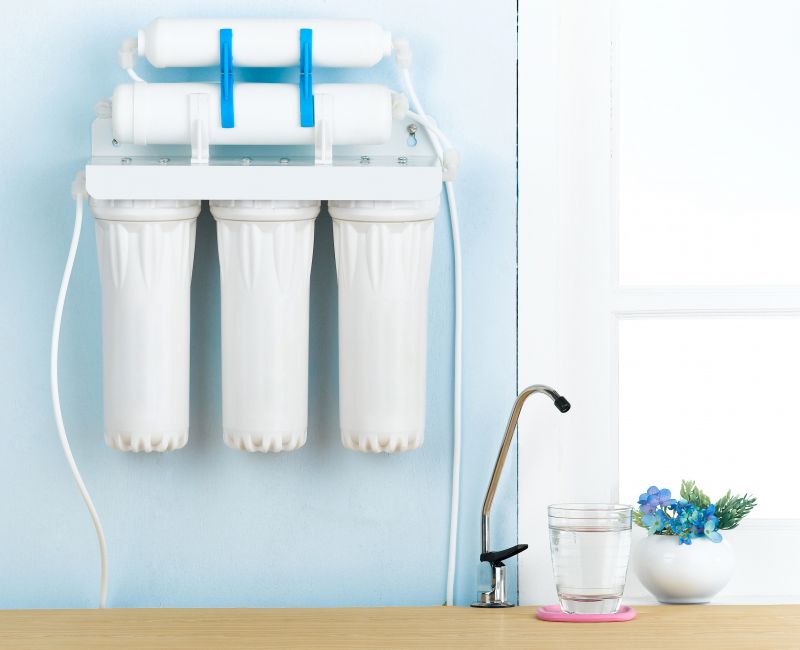
Lower-waste or water-saving choices for Water Treatments.

The short, realistic tool list for quality Water Treatments.
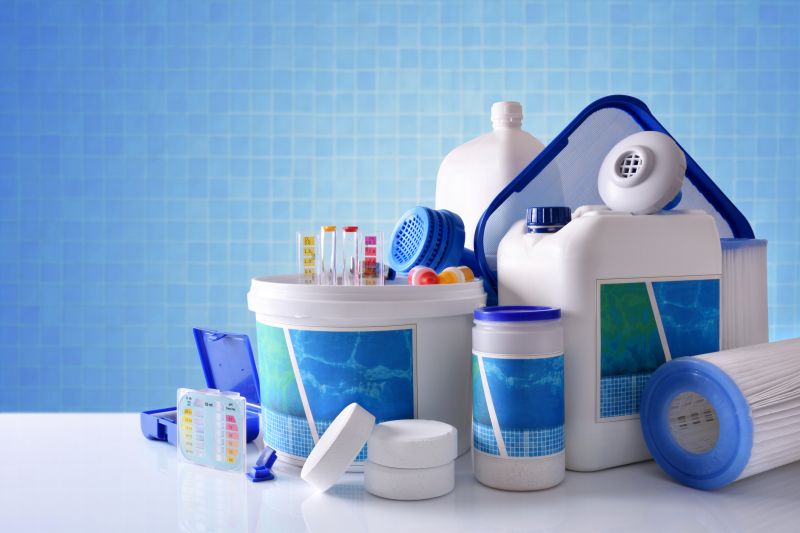
Rough timing from prep to clean-up for Water Treatments.
Interested parties are encouraged to contact for further information on scheduling water treatments. Properly timed and executed treatments can significantly improve water quality and system longevity, providing peace of mind and compliance with health standards.